


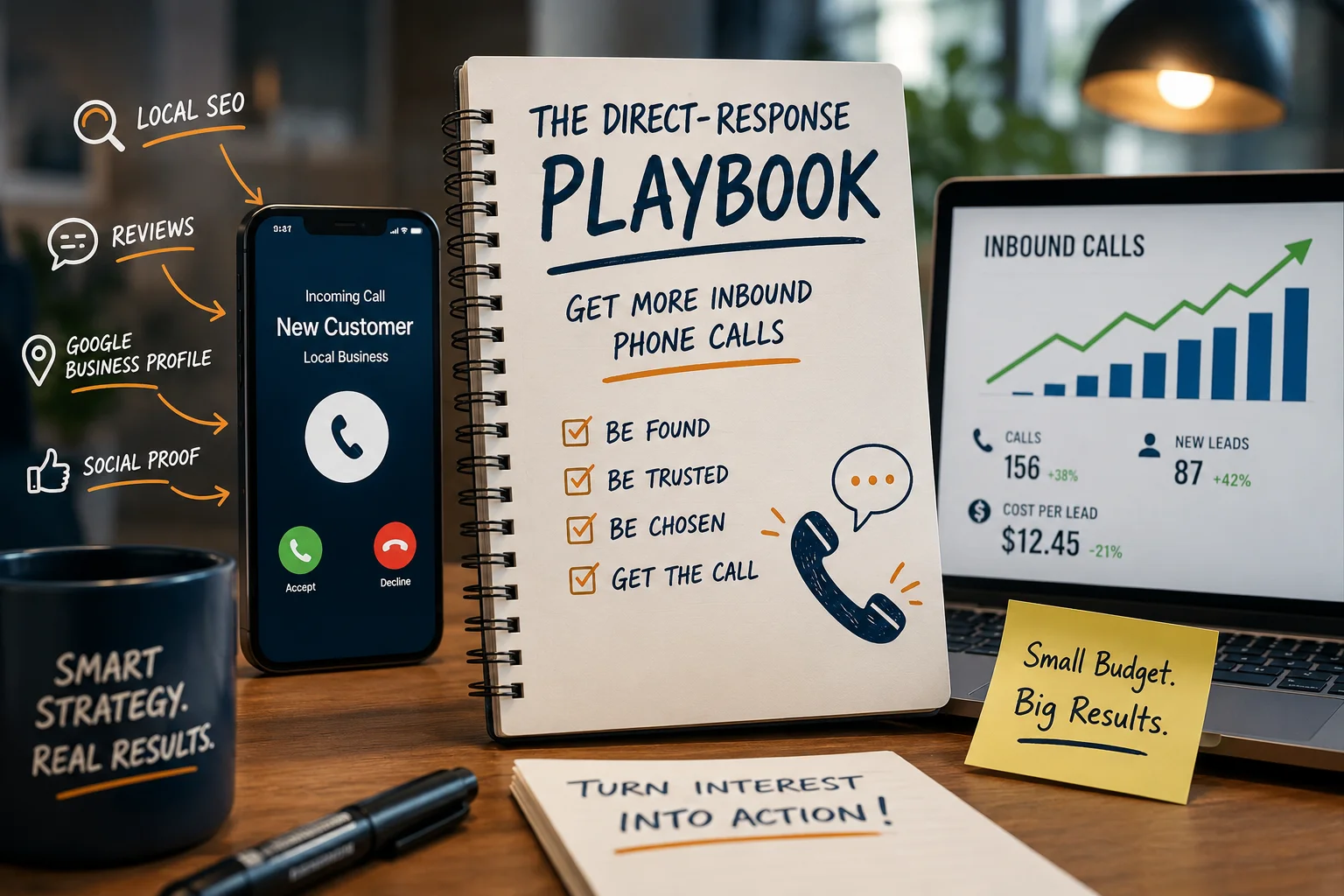
Every business deserves to be heard, even on a tight budget. Knowing how to get inbound phone calls transforms your reach, turning interest into action. Master these smart, budget-friendly tactics, and watch your phone ring with eager customers ready to connect—because your success shouldn't have to wait.
Unlocking Success: The Importance of Knowing How to Get Inbound Phone Calls
For today’s small businesses, how to get inbound phone calls isn’t just a nice-to-have—it's the lifeline to sustainable growth. With more customers turning to digital channels and expecting real-time responses, mastering inbound calling ensures you're present when it matters most. Unlike cold outbound calling, inbound calls reflect genuine interest from prospects or existing customers eager to engage with your business.
When you learn how to get inbound phone calls efficiently, you unlock opportunities for relationship building, faster conversions, and better customer retention. Whether you're a solo entrepreneur juggling multiple tasks or a small team targeting local markets, inbound call strategies help you stand out in a noisy digital landscape.
When you make it simple for potential clients to pick up the phone and talk to a real person, you’re not just improving their experience—you’re also building a stronger reputation and standing out from your competitors. And the best part is, you can often do this without spending a lot of money.
Every Business Deserves to Be Heard
No matter your size or industry, your voice counts. Every call is a chance to connect, listen, and truly address your customer’s needs. This mindset can be the difference between a business that survives and one that thrives. When you prioritize being available and responsive via inbound calls, you signal reliability and approachability.
In turn, customers become more willing to trust you, share their thoughts, and, most importantly, purchase from you. Your phone line becomes a trusted channel that nurtures these meaningful interactions.

Transforming Your Reach with Inbound Call Strategies
Implementing the right inbound call strategy is transformative. Instead of investing heavily in outbound calling or generic marketing, you can leverage targeted tactics that draw new prospects directly to you. This approach isn’t just about increasing call volume, but about creating a smooth journey for the customer—from their first web visit to their first call.
When you make it easy for people to reach the right person, clearly share your contact details, and speak to them in a way that actually feels relevant, you turn casual curiosity into real conversations.
With a thoughtful inbound calling approach, you can bring in more leads, build a stronger, more trusted brand, and run things more smoothly—without needing a huge budget or a complicated setup.
For even more ways to boost your inbound call results, consider how content marketing can play a pivotal role in driving phone inquiries. Discover actionable tips in these powerful content marketing insights for getting more calls and see how strategic content can amplify your efforts.
What You'll Learn About Getting Inbound Calls
How to get inbound phone calls on a small budget
Key strategies for increasing inbound call volume
Tools and systems to streamline inbound calling
Optimizing your customer service and satisfaction
Crafting a winning calling strategy for your business
Understanding Inbound Calling: Definitions and Core Concepts
What Is an Inbound Call and Why Does It Matter?
An inbound call is any phone call initiated by a customer or prospect to your business. Inbound calls are often a sign of high intent—someone has seen your marketing, visited your website, or heard about you and is motivated to pick up the phone. These calls can be sales inquiries, support questions, or partnership opportunities.
The reason inbound calls matter is that they allow you to engage live, solve problems quickly, and move customers further along their buying journey. Handling these calls effectively ensures prospects feel valued and supported, resulting in increased loyalty and conversion rates.
On top of that, getting really good at handling inbound calls gives you a steady stream of real, unfiltered feedback from the people who matter most—your customers. You can use what you learn on those calls to fine-tune your service, adjust your messaging, and spot potential problems before they grow.
Whether you’re using a single phone line, a basic desk phone, or a more advanced virtual system, inbound calls are often the starting point for genuine connections and conversations that lead to revenue.
Difference Between Inbound Calls and Outbound Calls
Understanding the distinction between inbound calls and outbound calls is crucial for crafting an effective calling strategy. Inbound calls are incoming—you receive them from current or prospective customers.
These calls are often more valuable because they originate from genuine interest or an urgent need for your product or service. In contrast, outbound calls are initiated by your business to reach leads or clients—these are typically used for sales outreach, follow-ups, or appointment setting.
While outbound calling can help you reach new audiences proactively, it tends to require more resources and can face resistance from recipients. Inbound calls, on the other hand, create warm, receptive touchpoints.
Most successful small businesses balance both approaches but prioritize strategies that encourage people to call them first—leading to more productive and satisfying conversations.

How Inbound Call Strategies Fuel Customer Experience
A strong inbound call strategy directly enhances the overall customer experience. When customers can reach your business quickly and receive responsive attention, they feel heard and respected. This timeliness can differentiate you from competitors who rely solely on email or live chat.
Effective call handling processes—like clear menus, polite greetings, and knowledgeable staff—minimize frustration and resolve issues faster. Furthermore, every positive phone call is an opportunity to build rapport, learn about your customer or prospect, and discover ways to improve your service offerings. Ultimately, prioritizing inbound calls means prioritizing your customers’ needs at every touchpoint.
Building a Budget-Friendly Inbound Calling Strategy
Identifying Your Ideal Customer and Targeting Effectively
To make the most of a limited marketing budget, clarify who your ideal customer is. Start with your existing customer data—look for common traits such as location, purchase history, age group, or industry. Once you have a clear profile, tailor your messaging and outreach to resonate with their needs and interests. U
se tools like social listening, CRM systems, and even feedback collected during previous inbound calls to zero in on what your audience cares about. Effective targeting ensures that every dollar spent elevates your visibility to those most likely to pick up the phone and engage.
Additionally, partner with local organizations or online communities relevant to your target audience. This helps widen your reach organically and provides more opportunities for word-of-mouth referrals that often turn into fruitful inbound calls. With focused targeting, even small businesses can generate meaningful inbound call volume without a massive ad budget.
Crafting Compelling Call-to-Actions for More Inbound Calls
Your website, ads, and marketing materials should feature clear call-to-actions (CTAs) that prompt visitors to pick up the phone. Instead of generic “Contact Us,” use CTAs like “Call Now for a Free Consultation” or “Speak Directly with Our Experts Today. ”
The goal is to remove friction and spark urgency, giving your audience a reason to connect immediately. Place these CTAs prominently—and consider testing different versions to see which yields more inbound calls.
Incorporate your phone number in attention-grabbing spots such as headers, footers, and landing pages. Make sure it’s visible on all device types. For local businesses, adding a “click-to-call” feature on mobile sites helps convert intent into instant action. Regularly review analytics to optimize your approach, ensuring your messaging continually boosts your inbound calling results.
Optimizing Your Phone Number Placement Across Platforms
Consistent and prominent phone number placement is key for encouraging inbound calls. Display your number in high-traffic digital locations—your Google My Business profile, social media accounts, email signatures, and even Google Ads. For physical businesses, include your number on storefront signage, vehicles, business cards, and local directories.
The idea is to eliminate any friction for those ready to call. Keep your number bold, easy to find, and formatted for instant dialing, especially on mobile devices. The simpler it is for clients to contact you, the higher your inbound call volume grows.
Test your various platforms to ensure that every route a potential customer takes can lead them to your phone call. Monitor which placements generate the most leads, and double down on those spaces. Don’t forget to keep your listings updated—an outdated or incorrect number is one of the fastest ways to lose a high-intent lead.
Creating Messaging that Inspires Action
Your messaging should not just inform—it should motivate. Use benefit-driven language to show customers what they gain by calling. For instance, “Call now to fast-track your solution” or “Speak to a real person about your unique needs. ” The key is authenticity; people want to connect with businesses that understand their pain points and can help solve them.
Leverage testimonials and social proof within your calls-to-action to ease concerns and make your offer irresistible. The more you tailor your communications to highlight immediate value, the more customers coming your way via inbound calling channels.
Also, adapt your tone and language to each channel. What works on a website might differ from what performs best on a social ad or local flyer. Continually refine your approach based on feedback, A/B testing, and insights gathered through your call analytics platform.
Key Tools and Technologies for Handling Inbound Calls
Choosing the Right Phone System for Small Businesses
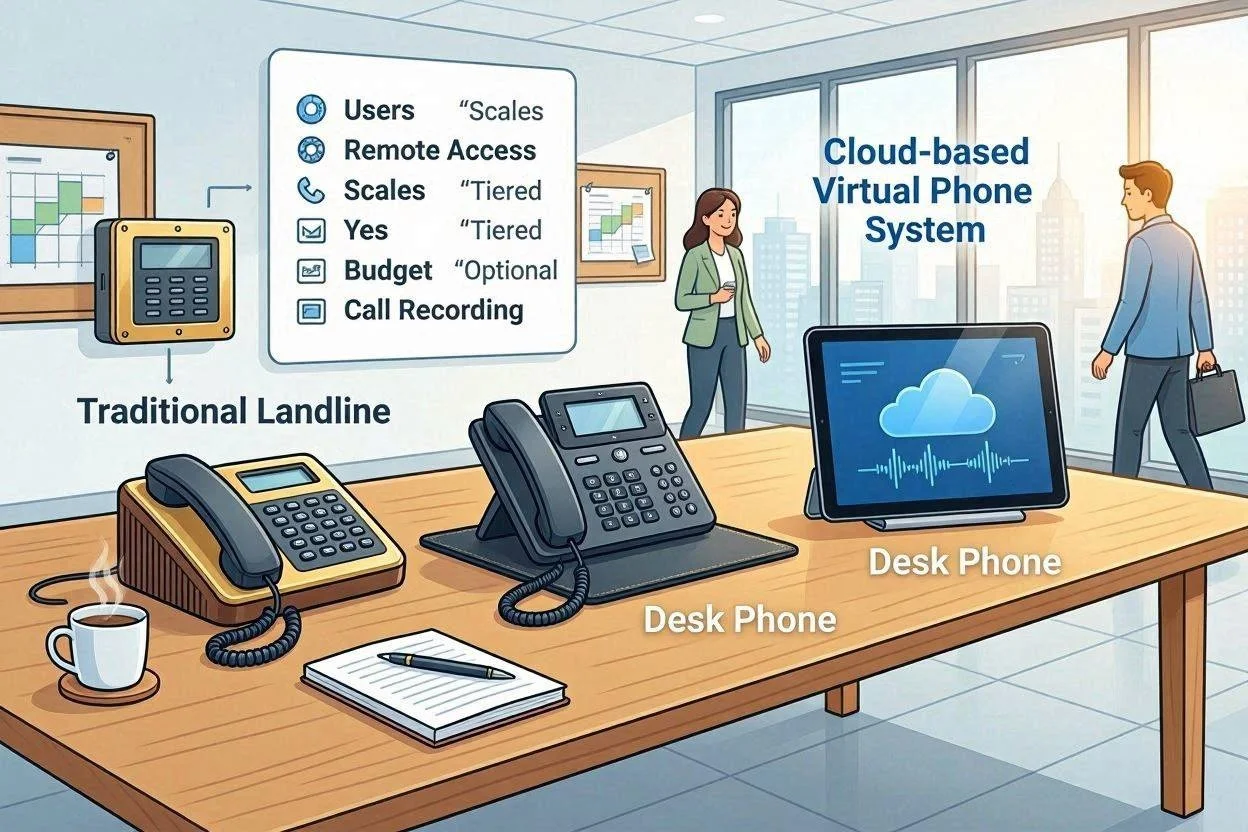
The backbone of any successful inbound calling effort is a reliable phone system. Options abound, ranging from traditional landlines and desk phones to cloud-based virtual phone systems that work over the internet. Consider your current and future needs—how many users, the need for remote access, budget, and features like call recording or voicemail-to-email.
Cloud-based systems typically offer flexibility and integrations with CRMs or live chat for streamlined operations. Traditional desk phones may suit businesses with a steady office setup, while virtual systems are perfect for dynamic, remote, or growing teams.
Evaluate scalability and customer support for whichever solution you select. A great phone system not only manages current call volumes but also adapts easily as your business grows. For small businesses watching costs, look for providers with affordable entry-level plans and upgrade options, giving you room to expand as inbound call demand increases.
Call Routing and Call Handling Solutions
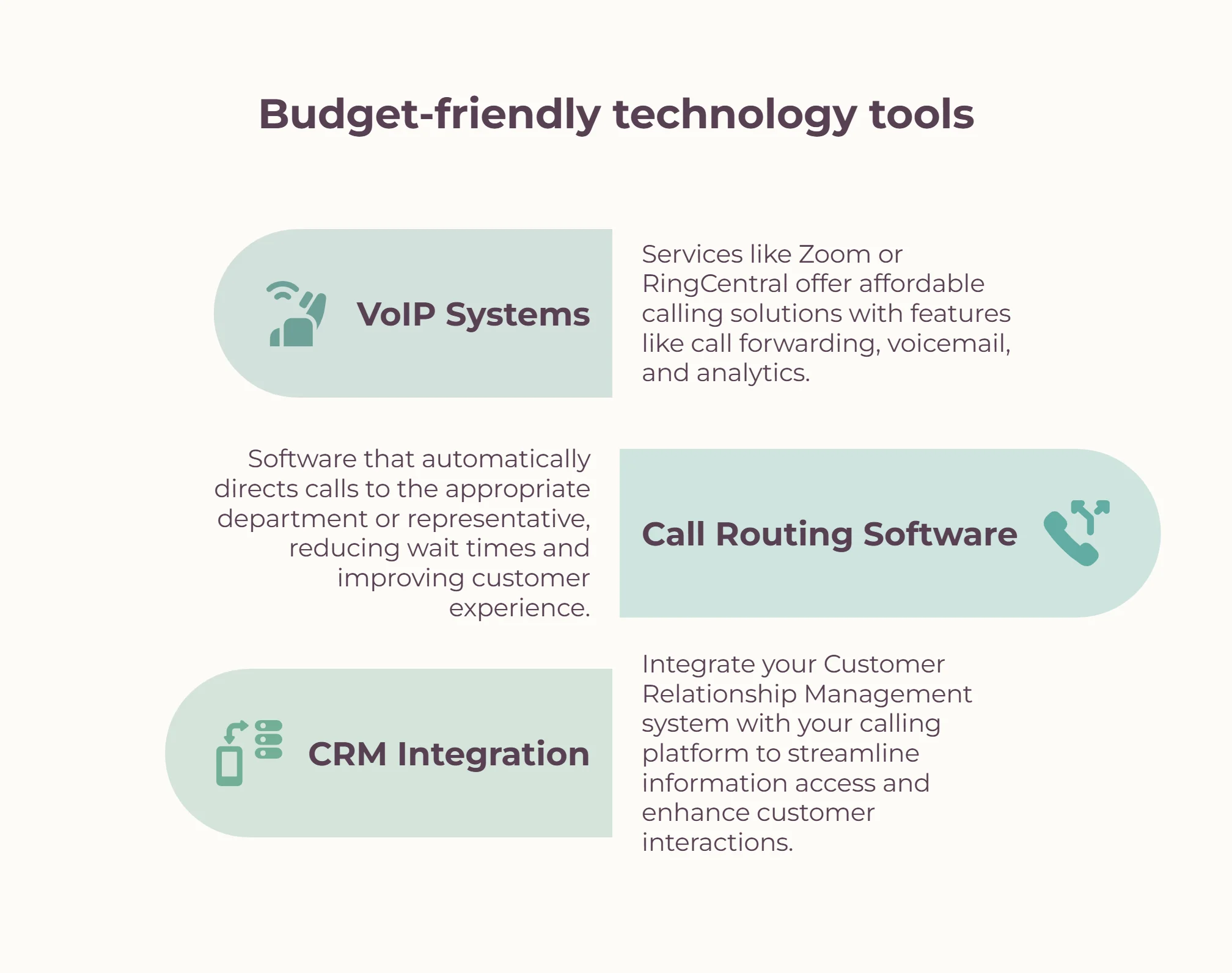
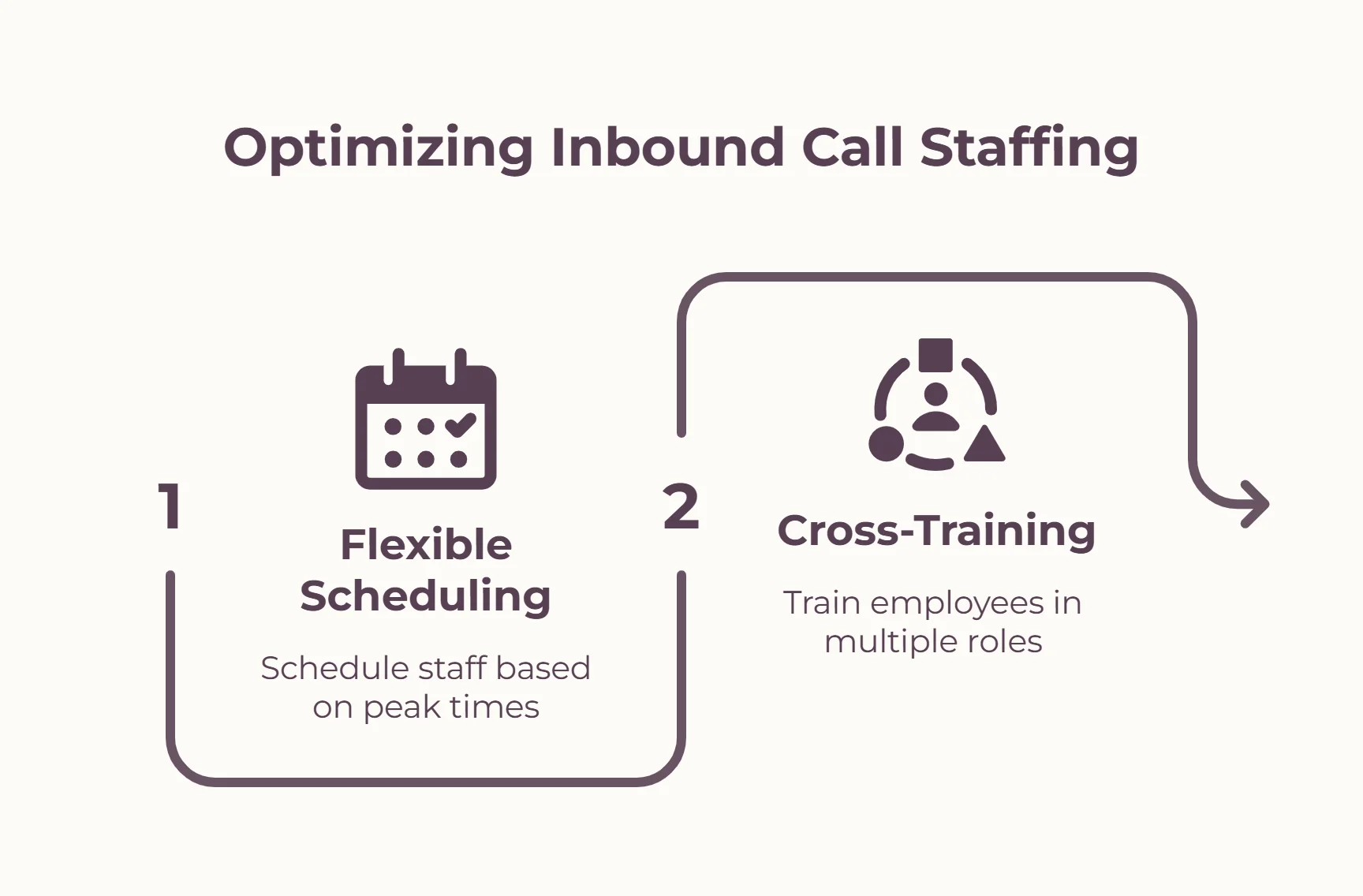
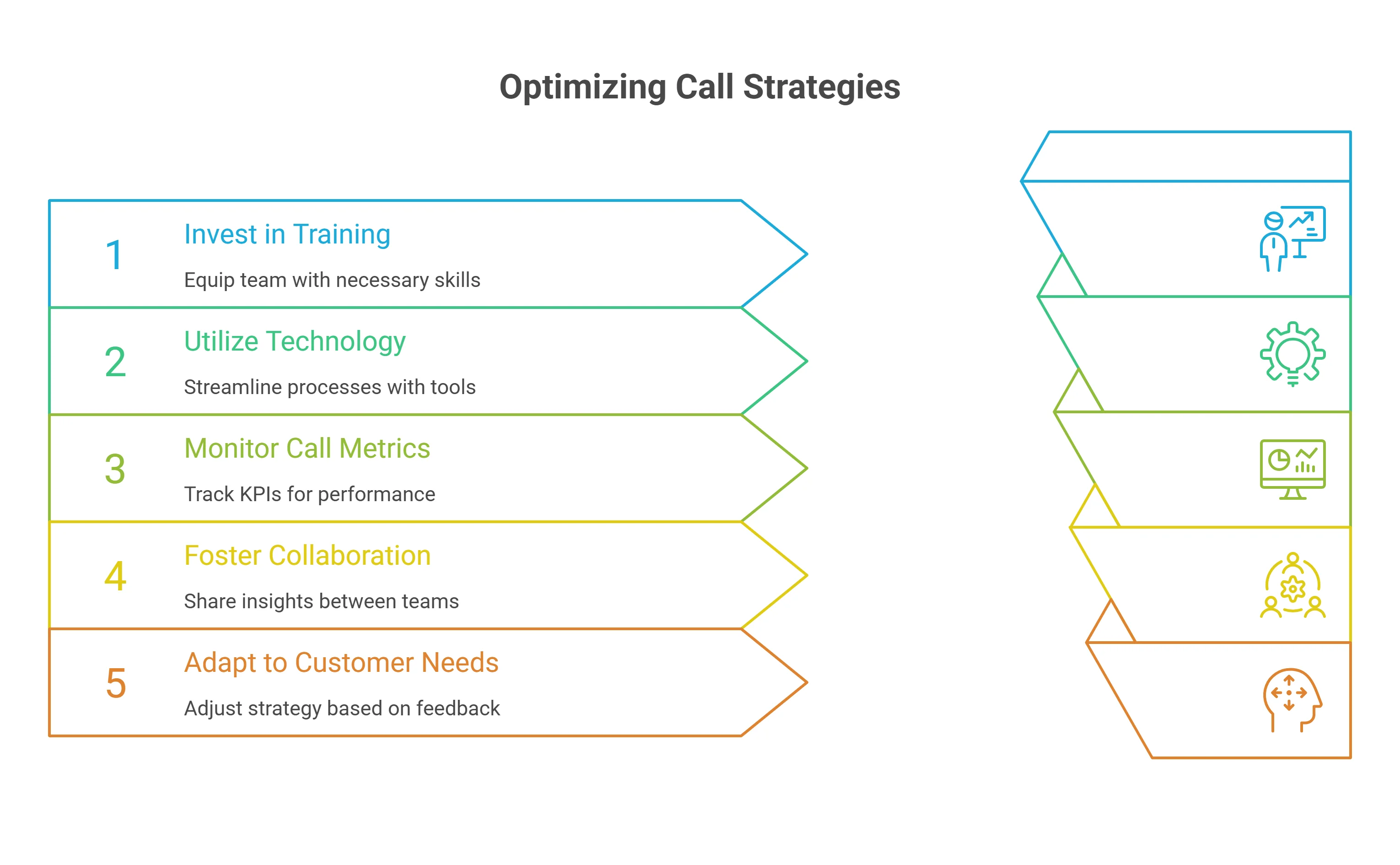
Efficient call routing and call handling are essential for ensuring every inbound call reaches the right person on your team. Auto-attendants, hunt groups, and simple Interactive Voice Response (IVR) systems can direct callers to specific departments or representatives, reducing wait times and improving the customer journey. Invest in a solution that matches your team’s workflow—where individual calls can be forwarded easily to mobile phones or remote workers if needed.
Modern solutions often include built-in analytics so you can monitor how calls are managed, spot bottlenecks, and optimize further. Remember, when implemented well, your routing process should “disappear” into the background, making every customer interaction seamless and frustration-free.
Utilizing Contact Center Features Without a Big Budget
You don’t need an enterprise-sized budget to take advantage of powerful contact center features. Many virtual inbound call center tools now offer basics like call queuing, call recording, voicemail transcripts, and live chat integration at affordable rates. Features like interactive dashboards, call tagging, and simple automated workflows help you scale service as call volume increases, even if your staff is lean.
Additionally, these systems make it easier to gather and retain customer or prospect data, which is invaluable for follow-up and building relationship-driven sales. The flexibility of these cloud-based systems means you only pay for what you need, upgrading features as your business grows and call volumes rise.

Benefits of Using Desk Phone Versus Virtual Phone Systems
Traditional desk phones offer a sense of permanence and reliability—perfect for office-based teams where stability is valued. Desk phones also tend to be familiar for employees, requiring minimal training.
On the other hand, virtual phone systems are the future of small business communication, offering flexibility for remote work, multiple device access, easy scaling, and often, lower upfront costs. They also support a range of advanced call handling and call analytics features not native to older systems.
Your decision will depend on your workflow, team location, and growth outlook. Many businesses choose a hybrid: desk phones for in-office staff, virtual numbers for marketing campaigns or remote workers. The important thing is to align your tech with your inbound calling strategy so every potential customer can get in touch easily, however they prefer.
Inbound vs Outbound Calling: Which Is Right for Your Business?
The Role of Outbound Calling in a Comprehensive Strategy
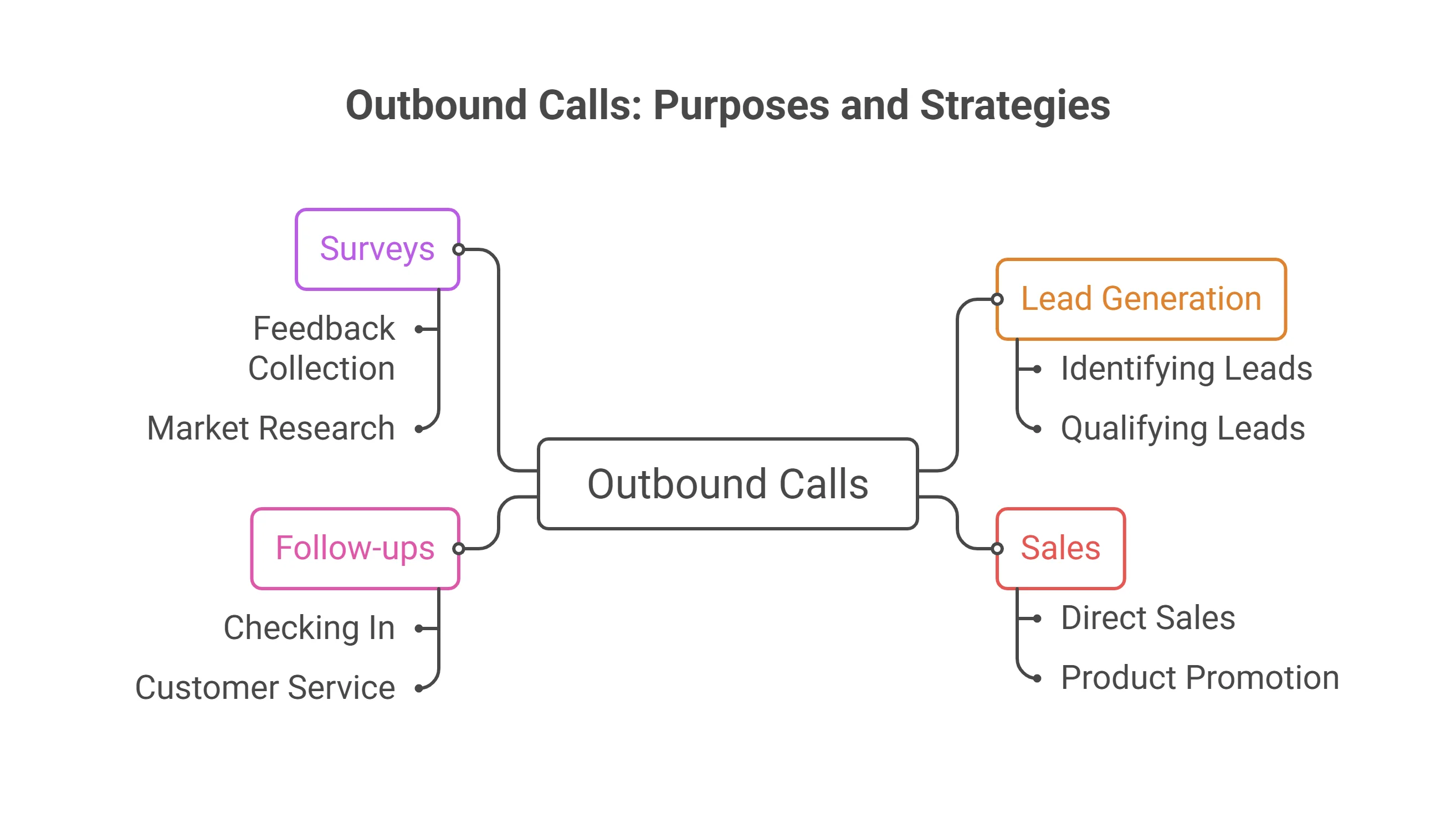
While the focus here is on how to get inbound phone calls, a comprehensive strategy often blends inbound and outbound efforts. Outbound calling can help you reach leads not yet ready to call in, allowing your sales team to nurture new business and reactivate dormant accounts.
For small businesses, smart, well-timed outbound calls can be a great partner to your inbound efforts—sometimes giving hesitant customers just the gentle nudge they need to reach out on their own.
However, remember that outbound calls can take more time, more effort, and may come with extra rules you need to follow (like honoring Do Not Call lists). It’s worth taking a moment to look at your goals and your available resources before you start an outbound campaign, so you don’t accidentally pull too much focus away from improving your inbound call experience.
Balancing Outbound Calls with Inbound Calling Strategy
The real magic happens when you intelligently balance outbound and inbound calling. Use outbound efforts to fill your pipeline and drive awareness, then lean on your inbound channels for converting warm leads and supporting existing customers.
With smart tracking, you can see which activities (like emails, ads, or events) drive more inbound calls and adjust accordingly. By keeping customer needs front and center, you’ll know when to reach out and when to make it easy for them to contact you instead.
An ongoing, data-driven approach enables you to allocate staff resources wisely and maximize the return on every customer touchpoint, whether incoming or outgoing. Both have their place, but inbound should always be the smooth, high-conversion anchor of your calling strategy.
Examples of Inbound Call Center Approaches
Inbound call centers can take many forms, from dedicated teams to part-time staff using cloud-based solutions. Some businesses integrate live chat on their websites to guide users toward calling for complex questions.
Others use virtual receptionists to triage calls before routing them to specialized agents. Some even leverage AI power to answer routine questions or schedule appointments, freeing up staff for higher-value calls.
The best approach ensures each customer or prospect reaches a helpful, knowledgeable representative—whether through a desk phone in the office, a virtual extension, or a hybrid of the two. Flexibility is key, especially as modern contact centers evolve beyond traditional call center models to incorporate omnichannel support and remote agents.
Optimizing Customer Experience with Smart Inbound Calling

Delivering Excellent Customer Service During Phone Calls
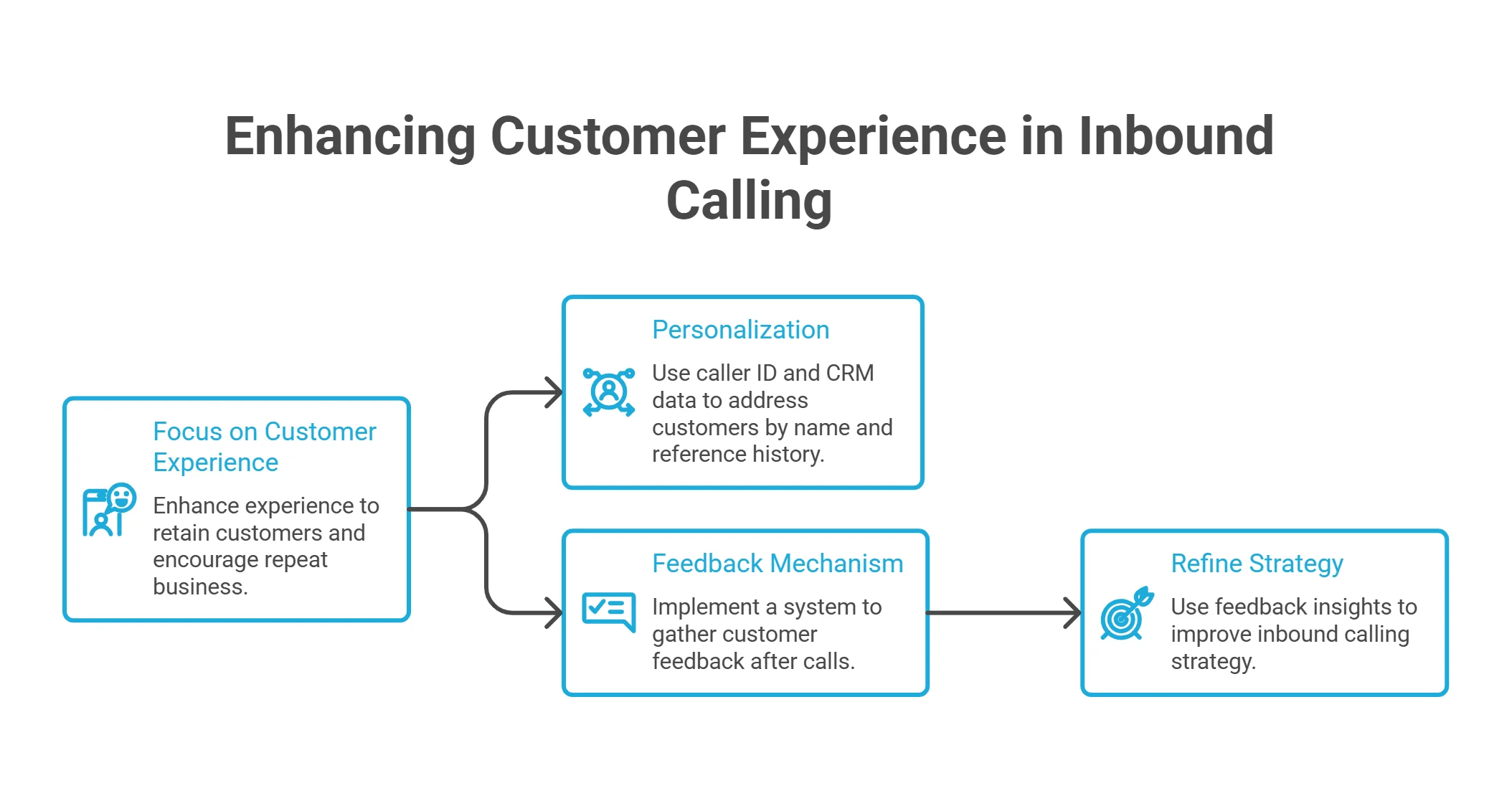
Every inbound call is an opportunity to deliver memorable customer service. Train your team to answer calls quickly, greet customers warmly, and actively listen. Friendly, attentive service not only solves immediate problems but also cements loyalty, encouraging customers to call again and refer others. Equip staff with up-to-date customer or prospect data so they can personalize conversations and address each caller’s unique needs.
Develop call handling scripts as a baseline, but allow flexibility for genuine interaction. Use brief surveys or follow-up messages to ensure callers are satisfied and issues are resolved promptly. Positive customer service on the phone greatly enhances your overall reputation and increases the likelihood of inbound calls multiplying naturally via word-of-mouth and repeat business.
Improving Customer Satisfaction and Loyalty
Loyalty is built on trust and positive experiences. Effective inbound calling strategies focus on going the extra mile—whether that means quick issue resolution, proactive follow-up, or simply a kind and understanding tone. Every touchpoint reinforces your commitment to service.
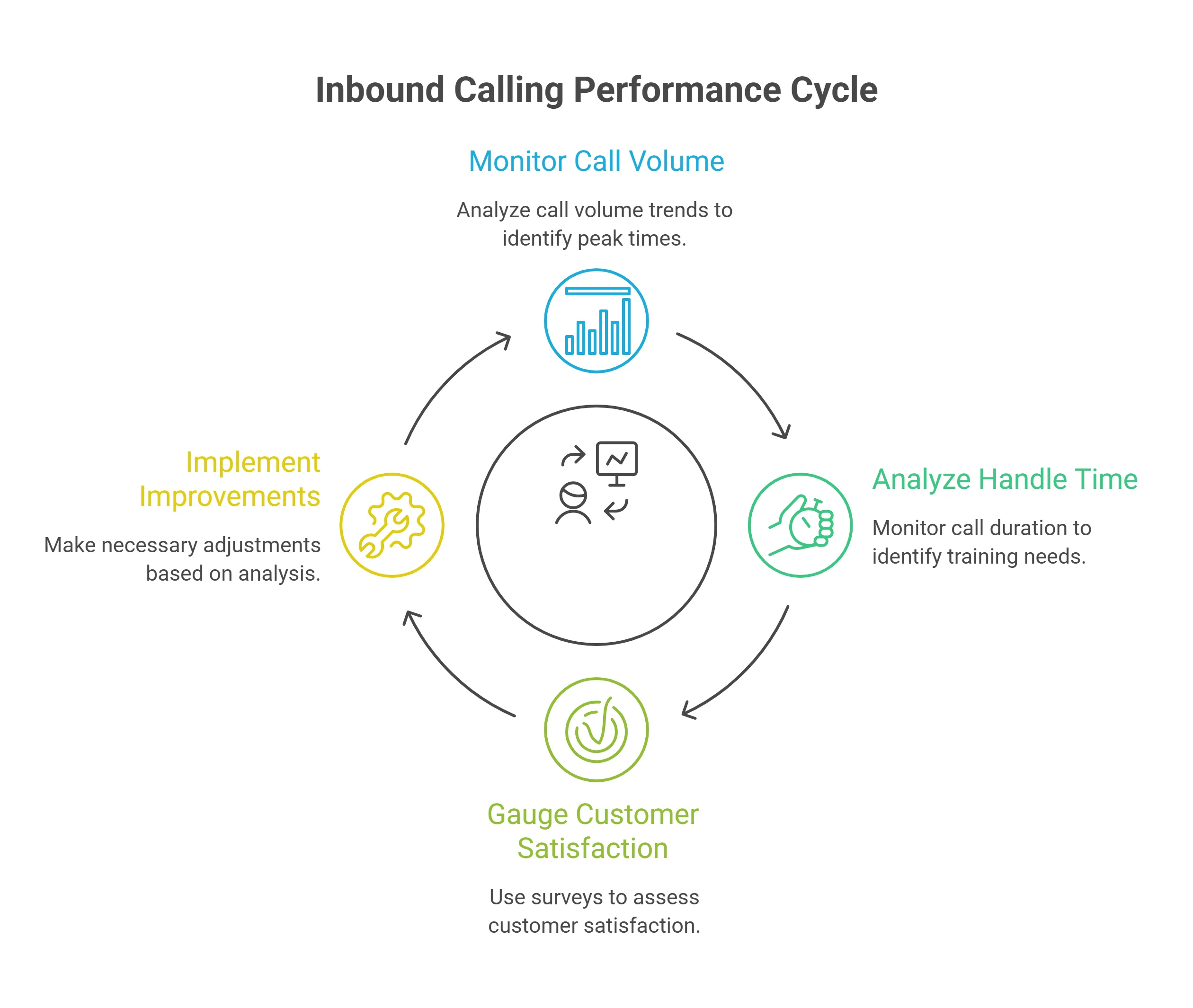
Use call analytics to monitor hold times, call resolution rates, and customer sentiment. Turn insights into action by continually refining your approach, resulting in a seamless experience that keeps customers coming back and recommending your brand to others.
Don’t underestimate the power of gratitude—thank callers for their business and feedback, making them feel valued and heard. Even a simple, heartfelt thank-you can tip satisfaction scores in your favor and add a personal touch that digital interactions often lack.
Using Feedback Loops to Enhance Your Inbound Calling Strategy
Feedback from inbound calls is invaluable for refining and improving your inbound calling strategy. Implement processes for capturing customer suggestions, concerns, and compliments during or after phone conversations.
Analyze this feedback regularly to identify trends and pain points, then make targeted improvements in training, scripts, or technology. Even small tweaks in call routing or messaging can yield significant results in customer satisfaction and call volume.
Incorporating practical feedback shows customers your business is responsive and committed to evolving. When clients see their concerns addressed, their trust deepens, and they’re more willing to advocate for you within their networks—resulting in even more inbound calls.
Top 10 Budget-Smart Tactics to Get More Inbound Calls
Leverage Local Listings
Utilize Click-to-Call Ads
Add Phone Numbers Prominently on Your Website
Engage in Targeted Social Media Campaigns
Optimize Google My Business Profile
Create Educational Content That Encourages Calls
Offer Limited-Time Phone-Exclusive Deals
Set Up After-Hours Call Routing
Use Simple IVR for Call Handling
Ask Happy Customers for Referrals
Table: Comparing Popular Phone Systems for Inbound Calling
Type of Phone System |
Cost |
Scalability |
Best For |
Features |
|---|---|---|---|---|
Traditional Desk Phone |
Moderate |
Low |
Small offices with fixed location |
Reliable, simple call handling |
Cloud-Based Virtual Phone System |
Low to Moderate |
High |
Remote teams, on-the-go businesses |
Call routing, analytics, integrations |
Hybrid System |
Moderate to High |
Medium to High |
Growing teams needing flexibility |
Unified communications, advanced features |
How to Measure and Track the Success of Your Inbound Calls

Key Performance Metrics in Inbound Call Centers
Tracking key performance metrics is essential to understanding whether your inbound calling strategy is delivering results. Metrics like call volume, average handling time, first-call resolution rate, missed call rate, and customer satisfaction scores provide a full picture of your call center or small business’s phone operations. These insights help you identify strengths and where improvements can be made, ensuring a continued focus on both efficiency and exceptional customer service.
Monitor inbound call conversion rates as well—the percentage of calls resulting in appointments, sales, or desired actions. Consistent performance analysis positions your team to act on issues quickly and confidently, maximizing value from every phone call received.

Using Call Analytics to Refine Your Calling Strategy
Call analytics software can reveal which marketing channels generate the most inbound calls, highlight peak calling hours, and assess the impact of specific campaigns. Use this information to adjust your marketing spend, staff scheduling, and overall calling strategy for better outcomes. Many affordable systems offer dashboards displaying real-time data on call volumes, wait times, and customer sentiment analyses—perfect for small business agility.
Set regular review intervals for making data-driven improvements. Tie CRM and analytics tools together to learn not just how many calls are coming in, but also how well these interactions translate into leads, sales, and loyal customers. Your data is a roadmap to greater inbound calling returns.
Real-Life Case Study: Small Business Success with Inbound Calling
One local service provider increased their inbound call volume by 30% after updating their Google My Business listing and adding a “click-to-call” button to their website homepage. By streamlining their routing process and using a simple virtual phone system, they handled double the calls with the same staff.
The owner credits their inbound calling success to visible contact info, responsive service, and ongoing adjustments using call analytics. Changes like these show that you don’t need big budgets—just smart execution and an eagerness to connect with customers.
Expert Quotes on Mastering Inbound Calls
“92% of all customer interactions happen over the phone.” — IBM (via multiple industry citations)
“Too many small business owners hide their numbers in footers or contact forms. You should prioritize placing your phone front-and-center on your homepage, above the fold if possible." - 800 .com
People Also Ask: Answers to Common Inbound Call Questions
Why am I not getting inbound calls?
There are several reasons you may not be receiving as many inbound calls as expected. The most common barriers include difficult-to-find or outdated phone numbers, complex or unclear calls-to-action, and slow response times to inquiries.
To improve, review all digital and print places your phone number appears and ensure it’s highly visible and accurate. Streamline your call center processes and consider investing in call routing solutions to ensure every call is answered efficiently. A simple audit and a few quick optimizations can significantly enhance your inbound call volume.
How to get a list of incoming phone calls?
Most phone systems, including modern desk phones and virtual solutions, now come with a built-in call log feature. You can access these logs through your system dashboard or provider’s app, where you’ll find a list of all incoming phone calls with time stamps and caller ID (when available). Many also offer downloadable reports and analytics tools to help you track trends and measure the effectiveness of your inbound calling initiatives—all without any additional expense.
How to get inbound calls?
To increase inbound calls, start by making your phone number highly visible across all marketing channels. Use compelling calls-to-action and leverage budget-savvy tactics like local SEO, click-to-call ads, and asking satisfied customers for referrals. Ensure you have a reliable phone system and efficient call routing process. By prioritizing responsive customer service and adapting strategies based on analytics, you’ll steadily drive more calls and connections.
How to receive all incoming calls?
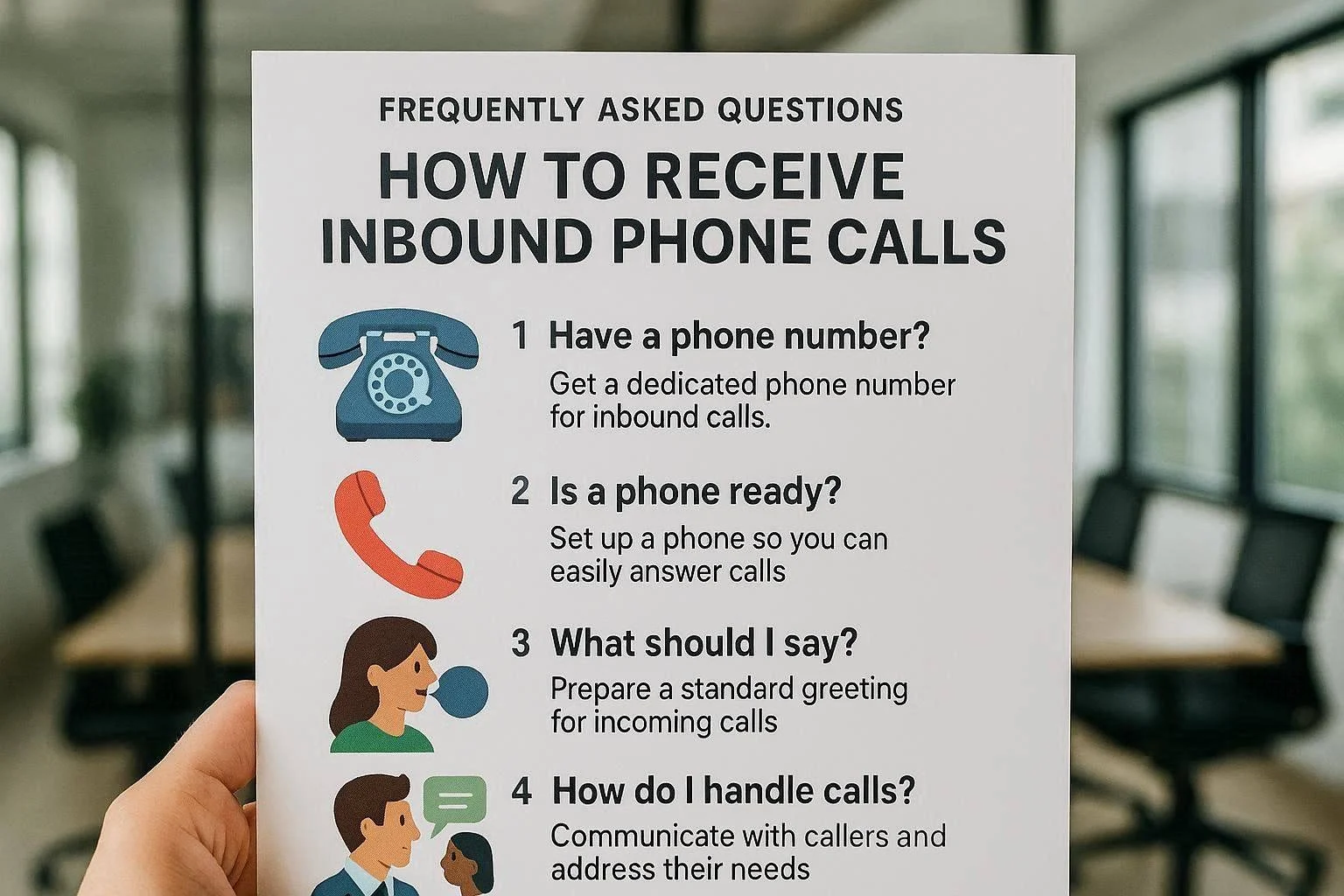
Never miss an inbound call by investing in call routing systems that direct calls to available team members’ smartphones or backup lines during off-hours. Ensure your voicemail and IVR systems are set up to capture every missed call, and schedule automatic follow-ups when you can’t answer live. Adopting mobile-friendly phone solutions and integrating with digital tools ensures you stay accessible—no matter where you or your team are working.
FAQs: How to Get Inbound Phone Calls and More
What is the difference between inbound and outbound calling?
The primary difference lies in who initiates the contact. Inbound calling occurs when a customer originates the call to a business—typically for customer support, technical help, or product inquiries. Conversely, outbound calling involves a business representative reaching out to prospective or existing customers for sales, market research, or telemarketing.
How do I choose the best phone system for inbound calls?
To select the ideal system for incoming traffic, prioritize platforms featuring automated routing and IVR to direct callers to the right department instantly. You should also ensure the software integrates with your CRM tools so team members have immediate access to customer history when the phone rings. Finally, look for robust analytics dashboards tracking wait times and drop rates to help you scale staffing dynamically as call volumes grow.
Can small businesses handle inbound calls without a call center?
Absolutely. Small businesses can easily manage incoming volume without a physical call center by utilizing cloud-based VoIP systems that route calls directly to employees' mobile phones or laptops anywhere. By implementing a virtual receptionist, or Interactive Voice Response (IVR) menu, you can automatically handle basic inquiries and direct critical callers to the right person without a dedicated front desk. This setup lets a lean team maintain a highly professional, enterprise-level presence while working completely distributed.
Which strategies provide the fastest improvement in inbound calls?
To rapidly boost your results, immediately optimize your Interactive Voice Response (IVR) menus by cutting unnecessary steps so callers reach a human or solution faster. Next, integrate your phone system with your CRM to instantly surface customer data, which slashes handle times and eliminates repetitive questions. Finally, set up automated callbacks for peak hours, allowing queued customers to hang up without losing their place in line, which drastically drops abandonment rates.
What is the easiest way to start getting more phone calls as a beginner?
The absolute best starting point is optimizing your Google Business Profile (formerly Google My Business). Make sure your business name, address, operating hours, and—most importantly—your phone number are completely up to date. Adding a prominent "Call Now" button and encouraging happy customers to leave positive reviews will make it super easy for local searchers to pick up the phone and dial.
Should I put my phone number everywhere on my website?
Yes, absolutely! You want to make it as effortless as possible for visitors to reach you without having to hunt for your contact info. Place your clickable phone number in the top right corner (the header) of every page, right in the middle of your homepage, and on your contact page. For mobile users, using a "click-to-call" button is a game-changer because they can dial your business with just a single tap on their smartphone screen.
How can social media help me get more inbound phone calls?
Social media is a wonderful tool for building trust and showing off your friendly personality, which encourages people to call. You can explicitly invite your followers to reach out by posting statements like, "Have questions about our services? Give us a call today—we’d love to chat!" Also, make sure to add a direct call button to your Facebook and Instagram business profiles so people can connect with you instantly.
How do I know if my efforts to get more phone calls are actually working?
To track your success, you should use call tracking software or assign a specific phone number (called a call forwarding number) exclusively to your marketing campaigns. This allows you to see exactly where your callers are finding you—whether it's from Google, your website, or a social media post. Don't forget to simply ask new callers on the phone, "How did you hear about us today?" as a casual way to gather this info!

Key Takeaways for Getting Inbound Phone Calls
Clear and visible phone numbers are essential.
Leverage cost-effective digital channels.
Continually track, analyze, and improve call strategies.
Prioritize excellent customer service with every call.
Adopt the right phone system and tools for your budget.
As you refine your inbound calling approach, remember that truly exceptional customer experiences are built on more than just quick answers—they’re about making every caller feel valued and understood.
If you’re ready to elevate your service and foster lasting loyalty, explore the customer service secrets that turn every interaction into a VIP moment. Unlock advanced strategies to ensure your business stands out, not just for how many calls you receive, but for the quality of every conversation you deliver.
Ready to Get More Inbound Calls? Small Business Marketing Done Right – LogicalDM.com
If you’re ready to transform your business’s inbound call results, partner with experts who understand how to get customers coming to you—without breaking the bank.
Small Business Marketing Done Right – LogicalDM.com
To enhance your understanding of effective inbound call management, consider exploring the following resources:
“Inbound Calls: How to Handle Them & vs Outbound”
This article provides a comprehensive overview of inbound calls, detailing their significance, handling strategies, and comparisons with outbound calls. It emphasizes the importance of swift responses and proper routing to maximize the value of high-intent customer interactions. (outsales.ai)
“What Is Inbound Calling? How to Manage Inbound Calls”
Authored by Jen Jackson, this piece delves into the nuances of inbound calling, offering strategies for effective management. It highlights the importance of integrating voice channels into a multichannel approach and provides actionable tips for improving customer experience through efficient call handling. (dialpad.com)
By checking out these resources, you’ll pick up practical ideas for improving how you handle inbound calls, so each conversation feels smoother for customers and does more to support your business growth.


Write A Comment